The pressure on UK businesses to demonstrate environmental responsibility has intensified dramatically following the government's net-zero commitment and the increasing prominence of ESG criteria in procurement decisions. For companies relying on digital infrastructure, hosting providers have become a critical component of their sustainability strategy—yet the market is awash with environmental claims that range from genuinely impressive to entirely misleading.
The Regulatory Landscape Driving Change
The UK's mandatory climate-related financial disclosures, which came into effect for large companies in 2022, have created a ripple effect throughout the supply chain. Businesses are now required to report on Scope 3 emissions, which include the environmental impact of their technology suppliers. This regulatory shift has transformed hosting provider selection from a purely technical decision into a compliance consideration.
Simultaneously, the Competition and Markets Authority has begun scrutinising green marketing claims across industries, issuing guidance that directly affects how hosting companies can present their environmental credentials. The message is clear: unsubstantiated sustainability claims carry both reputational and legal risks.
Decoding Power Usage Effectiveness Metrics
Power Usage Effectiveness (PUE) remains the industry standard for measuring data centre efficiency, yet many businesses accept these figures without understanding their limitations. A PUE of 1.2 indicates that for every watt consumed by IT equipment, an additional 0.2 watts is required for cooling and infrastructure—but this measurement can be manipulated through selective reporting periods and exclusions.
Credible UK hosting providers should offer independently verified PUE measurements taken across full annual cycles, not cherry-picked during optimal conditions. The most transparent operators publish monthly PUE data and explain seasonal variations. Additionally, enquire about the measurement scope: does it include all facility operations, or are certain energy-intensive processes conveniently excluded?
Renewable Energy: Beyond the Headlines
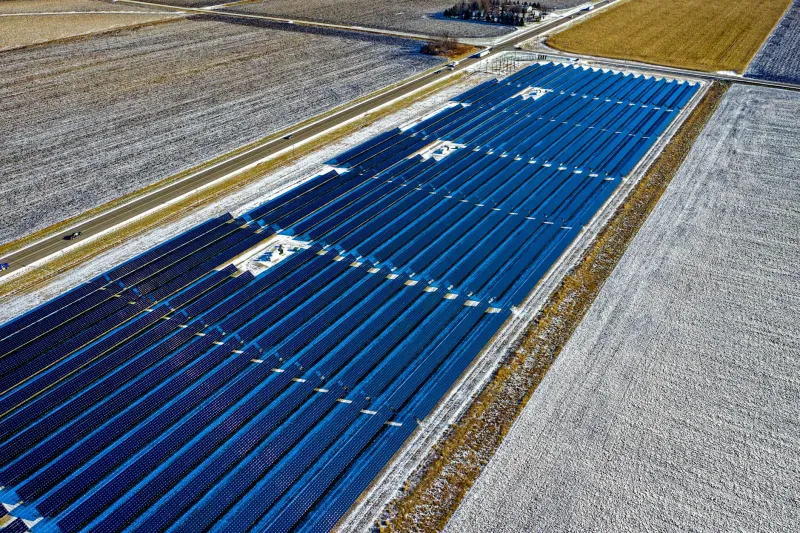
The phrase "100% renewable energy" appears frequently in hosting marketing materials, yet the reality behind these claims varies enormously. Some providers achieve this through direct renewable energy procurement, installing on-site solar arrays or entering into power purchase agreements with wind farms. Others rely entirely on Renewable Energy Guarantees of Origin (REGOs) certificates—a legitimate but less impactful approach that doesn't necessarily drive additional renewable capacity.
When evaluating providers, request specific details about their renewable energy strategy. Direct procurement arrangements demonstrate a more substantial commitment than certificate purchases alone. Furthermore, examine whether their renewable energy claims cover all operations or merely a portion of their infrastructure.
Carbon Neutrality Claims: The Devil in the Detail
Carbon neutrality has become a ubiquitous marketing term, yet the methodologies behind these claims vary significantly. Some hosting providers achieve carbon neutrality through operational efficiency improvements and renewable energy procurement. Others rely heavily on carbon offset programmes, which can range from verified reforestation projects to questionable schemes with minimal environmental impact.
Demand transparency about carbon accounting methodologies. Legitimate providers should offer detailed breakdowns of their emissions sources, reduction strategies, and offset portfolios. Be particularly wary of providers who cannot explain their baseline calculations or refuse to share third-party verification reports.
Certification Standards That Actually Matter
The proliferation of environmental certifications has created confusion in the marketplace, with some standards carrying significantly more weight than others. ISO 14001 environmental management certification demonstrates systematic environmental management but doesn't guarantee specific performance levels. The EU Code of Conduct for Energy Efficiency in Data Centres provides more targeted benchmarks for hosting environments.
For UK businesses, particular attention should be paid to providers pursuing or maintaining certifications from recognised bodies such as the British Standards Institution. These organisations apply rigorous verification processes and regular audits that provide greater assurance than self-declared standards.
The Financial Reality of Sustainable Infrastructure
Sustainable hosting infrastructure typically commands premium pricing, yet many providers struggle to articulate the value proposition beyond environmental benefits. The most credible operators can demonstrate how efficiency improvements translate into operational advantages—reduced cooling requirements, improved hardware longevity, and enhanced reliability through better environmental controls.
When comparing sustainable hosting options, factor in total cost of ownership rather than focusing solely on monthly fees. Energy-efficient infrastructure often delivers superior performance characteristics and reduced maintenance requirements that justify higher initial costs.
Due Diligence Framework for Procurement Teams
Establish a systematic approach to evaluating environmental claims during the procurement process. Request detailed environmental impact reports covering energy consumption, water usage, waste management, and transportation emissions. Verify that providers can supply data in formats compatible with your ESG reporting requirements.
Insist on contractual commitments regarding environmental performance, including penalties for failing to meet stated targets. The most confident providers will accept service level agreements that encompass environmental metrics alongside traditional uptime guarantees.
Looking Beyond Marketing Materials
Genuine environmental leadership in hosting extends beyond operational metrics to encompass broader sustainability initiatives. Examine providers' policies regarding equipment lifecycle management, circular economy principles, and community engagement programmes. Companies making substantial environmental investments typically showcase these efforts through detailed case studies and third-party validation.
The transition towards sustainable hosting infrastructure represents both an opportunity and a challenge for UK businesses. Those who invest time in proper due diligence will secure partners capable of supporting both their operational requirements and environmental objectives—whilst avoiding the reputational risks associated with greenwashing claims.