Time Bomb: When BST Shifts Turn Routine Maintenance into Business Disasters

The Twice-Yearly Ambush
Every March and October, a predictable yet consistently overlooked phenomenon strikes UK businesses with remarkable regularity. Hosting providers schedule maintenance windows at 2 AM UTC—safely outside business hours for most of the year. Then British Summer Time shifts occur, and suddenly that carefully planned 2 AM maintenance window lands squarely at 9 AM, disrupting morning operations with the precision of a Swiss timepiece.
This scheduling collision affects thousands of UK applications annually, yet remains absent from most business continuity planning. The oversight stems from a fundamental assumption: that maintenance windows remain static whilst business hours shift. In reality, the relationship inverts twice yearly, creating predictable vulnerability periods that forward-thinking organisations can eliminate entirely.
The UTC Assumption Trap
Global hosting providers standardise on Coordinated Universal Time (UTC) for operational consistency across international markets. This approach makes perfect sense from a provider perspective—UTC never changes, eliminating confusion about maintenance scheduling across different regions. However, this UTC-centric approach creates blind spots for UK businesses operating on local time.
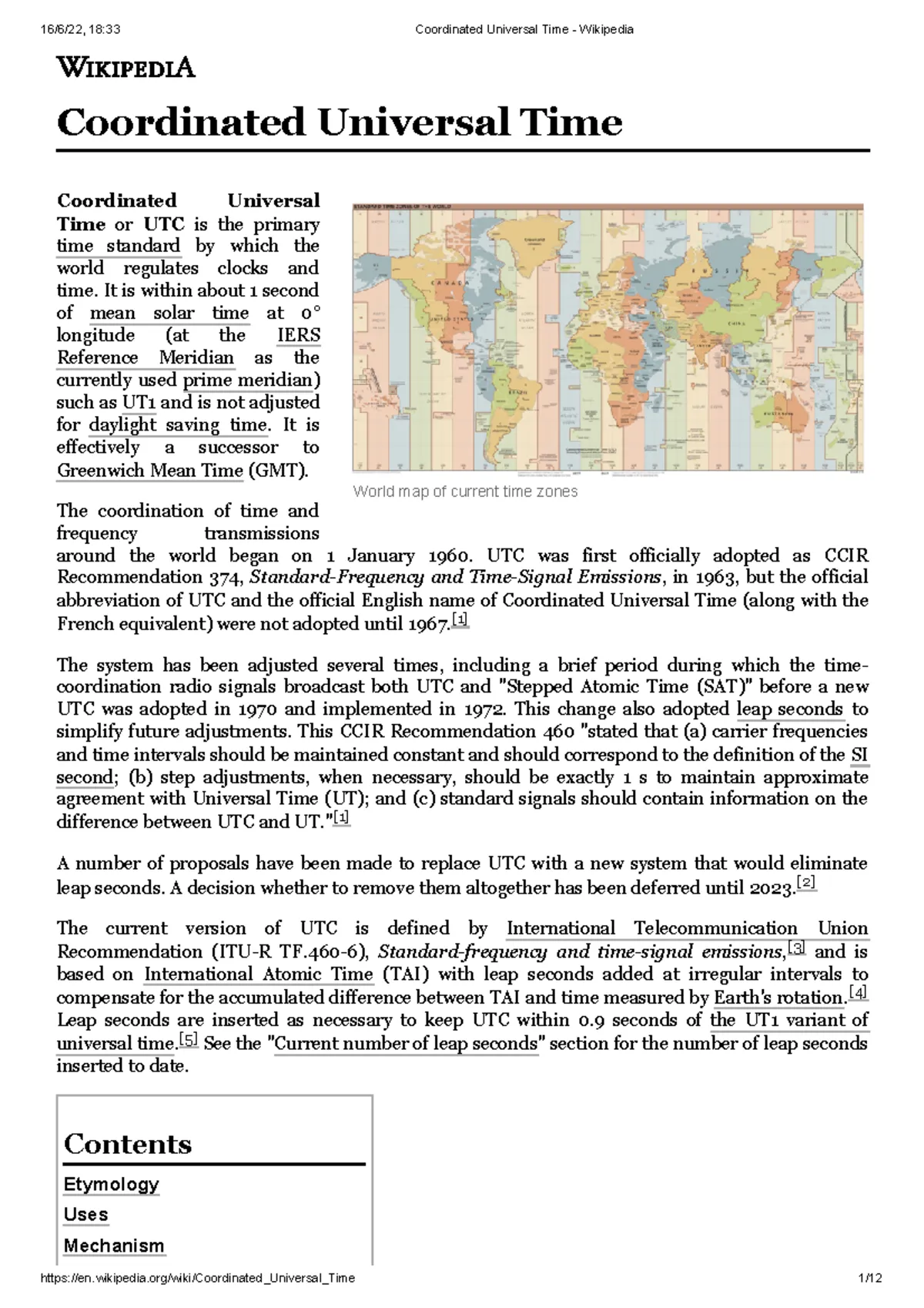 Photo: Coordinated Universal Time, via d20ohkaloyme4g.cloudfront.net
The problem manifests most acutely during the spring transition to British Summer Time. Maintenance windows that occurred at 2 AM GMT throughout winter suddenly shift to 3 AM BST—still acceptable for most businesses. However, autumn's return to GMT reverses this shift, moving summer's 2 AM UTC maintenance from 3 AM BST back to 2 AM GMT. This appears harmless until you consider that many providers schedule multiple maintenance windows or extended maintenance periods that can stretch across several hours.
A Manchester-based financial services firm discovered this reality when their payment processing system went offline for scheduled maintenance at 8 AM on a Monday morning in October. The maintenance window, originally scheduled for 2-4 AM UTC during summer months, shifted into peak transaction processing time when clocks fell back. Two hours of payment system downtime during morning business hours cost them £47,000 in lost transaction fees and customer compensation.
Automated Systems and Time Zone Confusion
Modern hosting infrastructure relies heavily on automated systems for backup scheduling, monitoring alerts, and maintenance coordination. These systems typically operate on UTC to maintain consistency, but their interactions with UK business operations create complex scheduling dependencies that become problematic during BST transitions.
Backup systems present particularly acute challenges. Automated backup routines scheduled during off-peak hours can suddenly shift into business-critical periods, consuming bandwidth and system resources precisely when applications face peak demand. Database backup processes that run smoothly at 3 AM during summer months can bring down customer-facing services when they execute at 9 AM following the autumn transition.
Monitoring systems compound these issues through alert timing configurations. Maintenance windows that suppress monitoring alerts during scheduled downtime can create gaps in coverage when BST shifts alter the relationship between UTC schedules and local business hours. Critical system failures occurring during these shifted maintenance windows may go undetected until significant business impact accumulates.
The Cascade Effect
BST-related scheduling issues rarely occur in isolation. Modern business applications depend on complex ecosystems of interconnected services, each potentially operating on different scheduling assumptions. When multiple systems experience BST-related scheduling conflicts simultaneously, the cumulative impact can exceed the sum of individual disruptions.
Consider a typical e-commerce platform that relies on payment processing, inventory management, customer communication, and analytics services. If each service experiences maintenance window shifts during BST transitions, the platform may face cascading outages that disable core business functions precisely when autumn sales campaigns require maximum system availability.
Third-party integrations amplify cascade risks. UK businesses often integrate with services hosted across multiple time zones, each managing maintenance schedules according to local considerations. The complexity of coordinating maintenance windows across multiple providers becomes exponentially more challenging when BST transitions alter the timing relationships between different services.
Audit Framework for Time Zone Vulnerabilities
Identifying BST-related scheduling vulnerabilities requires systematic audit of hosting agreements, service configurations, and operational procedures. Begin by cataloguing all scheduled maintenance windows, backup routines, and automated processes that could impact business operations.
Document the UTC timing for each scheduled event and calculate how BST transitions affect local time alignment. Pay particular attention to maintenance windows that shift from acceptable off-hours timing to problematic business hours timing. These represent immediate risks requiring mitigation.
Review monitoring and alerting configurations to identify potential coverage gaps during BST transitions. Ensure that alert suppression rules account for time zone changes and don't create blind spots during shifted maintenance windows.
Examine third-party service agreements for maintenance scheduling clauses. Many providers reserve the right to perform emergency maintenance outside standard windows, but regular maintenance timing should be clearly defined and account for customer time zone considerations.
Mitigation Strategies for UK Businesses
Successful BST vulnerability mitigation requires proactive engagement with hosting providers and careful configuration of internal systems. Begin by negotiating maintenance window terms that account for UK time zone requirements. Many providers can accommodate specific timing requests, particularly for dedicated hosting arrangements.
For shared hosting environments where maintenance timing cannot be customised, implement redundancy strategies that maintain service availability during maintenance periods. Load balancing across multiple hosting providers, geographic distribution of services, and failover systems can eliminate single points of failure during maintenance windows.
Internal system configurations require careful attention to time zone handling. Ensure that backup schedules, monitoring configurations, and automated processes account for BST transitions. Many systems support scheduling based on local time zones rather than UTC, eliminating BST-related timing shifts.
Calendar Integration and Planning
Establish calendar systems that track BST transition dates and their impact on critical system schedules. Modern calendar applications can automatically adjust for time zone changes, but hosting provider maintenance schedules may require manual tracking and adjustment.
Create standard operating procedures for BST transition periods that include verification of all scheduled maintenance windows, backup routines, and monitoring configurations. These procedures should be executed several weeks before each transition to allow time for provider coordination and system adjustments.
Implement change management processes that consider BST impact during scheduling decisions. New service implementations and configuration changes that occur near BST transition dates should include specific time zone impact assessments.
Provider Relationship Management
Building strong relationships with hosting providers enables more effective BST vulnerability management. Providers with dedicated UK support teams often demonstrate better understanding of BST-related challenges and can provide more flexible maintenance scheduling.
Regular communication with provider support teams about BST transition planning demonstrates professionalism and often results in proactive maintenance window adjustments. Many providers appreciate customers who plan ahead rather than discovering scheduling conflicts during actual transitions.
Contract negotiations should explicitly address time zone considerations for maintenance scheduling. While standard terms may specify UTC timing, supplementary agreements can establish UK business hours protection that automatically adjusts for BST transitions.
The Strategic Advantage
UK businesses that master BST-related scheduling management gain competitive advantages through improved operational reliability and reduced vulnerability to predictable disruptions. The ability to maintain consistent service availability during BST transitions demonstrates operational maturity that customers and partners value.
As digital transformation continues accelerating across UK markets, operational reliability becomes increasingly critical for business success. Companies that eliminate BST-related vulnerabilities position themselves for sustainable growth whilst competitors struggle with twice-yearly operational disruptions that undermine customer confidence and business continuity.